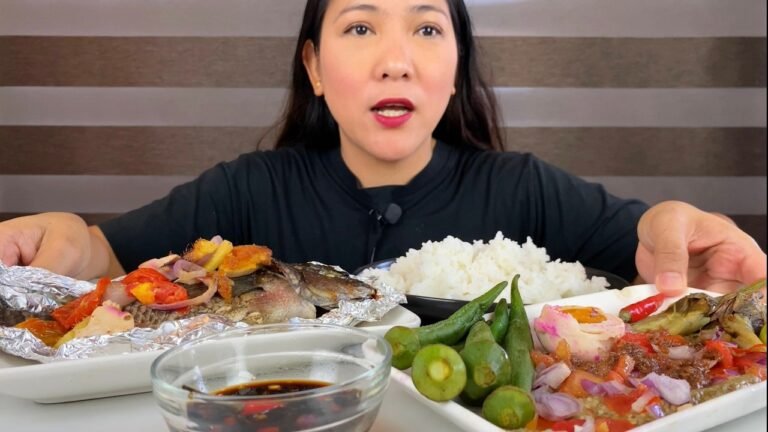
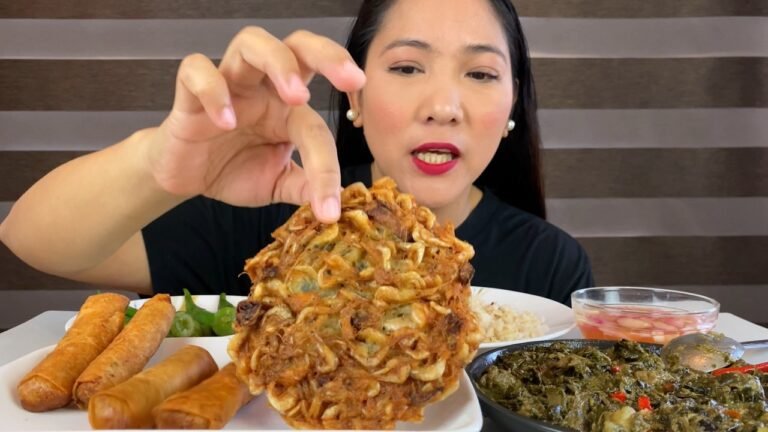
Adobo is the dish almost every Filipino household knows by heart, but not every adobo is dark with soy sauce. Pork adobo sa asin is the older, simpler style: pork simmered in vinegar, salt, plenty of garlic, peppercorns and bay leaves, then fried in its own rendered fat until the edges turn golden. It is featured on the BIOCO Food Trip YouTube channel, and this guide walks you through making it at home.

About the dish
Adobo sa asin literally means adobo in salt. Instead of toyo, the seasoning comes from rock salt or sea salt, so the pork stays pale while it braises. Some families call it adobong puti (white adobo) for that reason. Without soy sauce, the flavor leans on the sourness of the vinegar, the sharpness of garlic and the richness of the pork fat.
The method has two stages. First the pork braises low and slow until tender and the liquid has nearly cooked off. Then it fries in the fat left in the pan, which gives the meat a browned crust and a slightly crisp edge. That second step is what turns a plain-looking stew into a proper ulam that disappears fast at the table. Pork belly (liempo) gives the richest result, while kasim (pork shoulder) is a little leaner and still stays juicy.

Pork Adobo sa Asin
Ingredients
Method
- In a heavy pot or kaldero, combine the pork, vinegar, salt, peppercorns, bay leaves and half of the garlic. Mix and let it marinate for 30 minutes (optional).
- Add the water and bring to a boil over medium-high heat. Let it boil uncovered for 3 to 5 minutes without stirring so the sharpness of the vinegar cooks off.
- Lower the heat, cover, and simmer for 40 to 50 minutes until the pork is fork-tender. Add a splash of water if it dries out before the meat is soft.
- Uncover and keep cooking over medium heat for about 10 minutes until the liquid is almost gone and the pork fat has rendered into the pot.
- Push the pork to one side, add the remaining garlic to the fat (plus the oil if the pan looks dry) and fry until light golden.
- Fry the pork in the garlic fat for 5 to 8 minutes, turning the pieces, until browned with crisp edges. Taste, adjust the salt, and serve hot with rice.
Video
Tips
- Do not stir right after adding the vinegar. Let it boil uncovered for a few minutes first so the raw, sharp edge of the vinegar cooks off.
- Salt in stages. Start with a moderate amount, then taste near the end. The liquid reduces a lot, so the seasoning concentrates as it cooks.
- Use cane vinegar if you can. Sukang Iloko or a local palm vinegar gives a rounder sourness than distilled white vinegar.
- Split the garlic. Simmer half of it with the pork for depth, and fry the other half at the end for that toasted garlic aroma.
- Dry the pan before frying. The pork only browns once the liquid is almost gone. If it is still swimming in sauce, keep reducing.
- Cut evenly. Pieces about 2 inches across cook at the same pace, so none turn dry while others are still tough.
What to serve with it
Steamed white rice is a must, and garlic fried rice (sinangag) works even better the next morning. Because adobo sa asin is rich and salty, it pairs well with something fresh and sour on the side:
- Ensaladang kamatis at sibuyas (tomato and onion salad) with a little bagoong
- Atchara (pickled green papaya)
- Ginisang monggo or a simple vegetable dish like adobong kangkong
- A dipping saucer of sukang maanghang (spiced vinegar)
- A fried egg on top for an easy adobo silog breakfast
Storing and reheating
Like most adobo, this dish keeps well thanks to the vinegar and salt. Let it cool, then store it in an airtight container in the refrigerator for up to 4 days. For longer storage, freeze it in portions for up to 2 months and thaw overnight in the fridge.
To reheat, warm it in a dry kawali over medium heat for 5 to 8 minutes, turning the pieces so they crisp up again in the fat that melts out. A microwave works if you are in a hurry, but you lose the browned edges. Many cooks say adobo tastes even better on day two, once the flavors have settled into the meat.
Quick answers
- What is the difference between adobo sa asin and regular adobo? Regular pork adobo uses soy sauce for salt and color. Adobo sa asin uses only salt, so it is lighter in color and the vinegar and garlic come through more clearly.
- Which cut of pork is best? Pork belly (liempo) gives the juiciest, crispiest result. Kasim (shoulder) is leaner but still tender after braising.
- Can I use chicken? Yes. Use bone-in thighs and reduce the simmering time to about 25 to 30 minutes.
- My adobo is too salty. What can I do? Add a splash of water and a little vinegar, simmer for a few minutes, and serve it with more rice and a fresh side like tomato salad.
- Do I need to marinate the pork? It is optional. Thirty minutes in the vinegar, salt and garlic helps the flavor go deeper, but you can cook it right away.