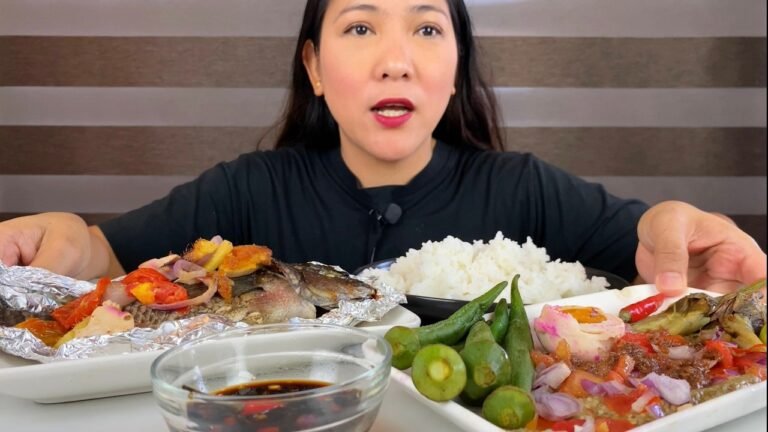
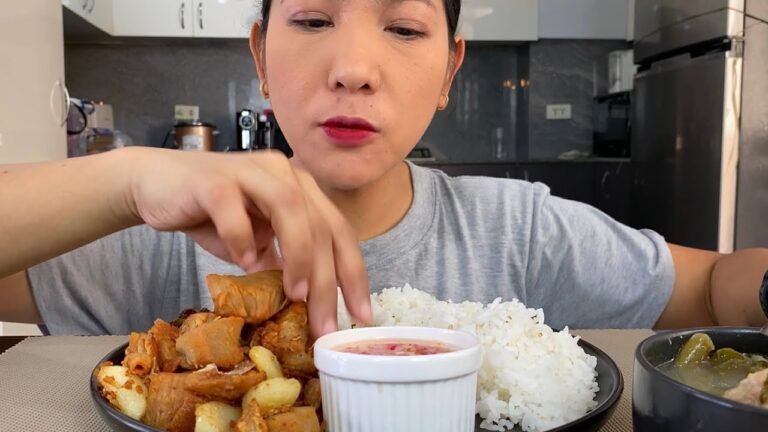
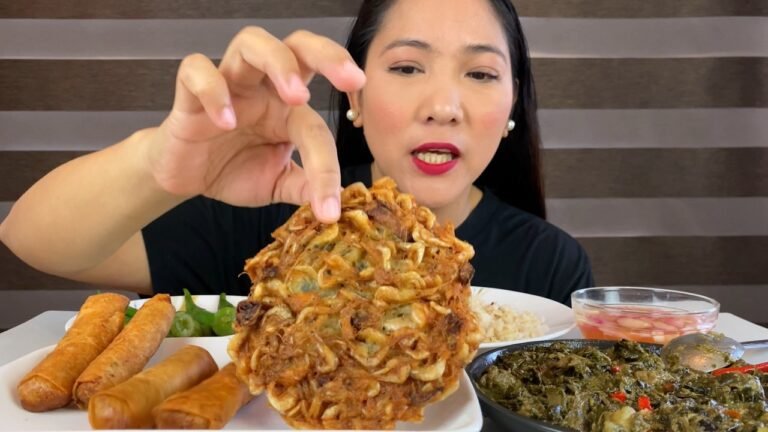
Pork sinigang is one of the most comforting bowls on any Filipino table: tender pork simmered in a sour tamarind broth with radish, string beans, eggplant and kangkong. This pairing of pork sinigang and pritong tilapia is featured on the BIOCO Food Trip YouTube channel, and it is a classic everyday ulam combo, with a hot, sour soup on one side, crispy fried fish on the other, and plenty of steamed rice in between.

Below you will find a short background on the dish, a full recipe card for both the sinigang and the fried tilapia, plus cooking tips, serving ideas, and how to store and reheat leftovers.
About the dish
Sinigang is a Filipino sour soup, and many families consider it the national comfort food on rainy days. The sourness traditionally comes from sampalok (tamarind), though cooks also use kamias, bayabas, green mango or calamansi depending on what is in season. Pork is the most common protein, usually pork ribs (buto-buto) or pork belly (liempo), because the bones and fat give the broth more body and flavor.
The vegetables change from household to household. Labanos (white radish), sitaw (string beans), talong (eggplant), okra, gabi (taro) and kangkong (water spinach) are all common. Gabi is optional, but many cooks add it because it softens in the pot and slightly thickens the broth. A long green chili, or siling haba, adds aroma without much heat.
Pritong tilapia is a natural partner. Tilapia is affordable and easy to find in Philippine wet markets and supermarkets, and frying it with nothing more than salt gives a crisp skin that contrasts nicely with the sour soup. Many people dip pieces of the fish straight into the sinigang broth, or into a small saucer of patis with calamansi.

Pork Sinigang with Pritong Tilapia
Ingredients
Method
- Put the pork and water in a large pot and bring to a boil over high heat. Skim off the gray foam for about 10 minutes.
- Add the onion and tomatoes, lower the heat, cover, and simmer gently for 60 to 75 minutes until the pork is tender.
- If using fresh sampalok, boil it in 1 cup of water for about 15 minutes until soft, mash, and strain the sour liquid into the pot. If using sinigang mix, stir it in now.
- Add the gabi and cook for about 10 minutes until soft enough to slightly thicken the broth.
- Add the labanos and sitaw and cook for 5 minutes, then add the eggplant and siling haba and cook for another 3 minutes.
- Season with fish sauce and salt, and adjust the sourness to taste.
- Turn off the heat, add the kangkong, cover, and let it wilt for 1 to 2 minutes. Serve hot.
- Pat the tilapia completely dry. Score each side 2 to 3 times and rub inside and out with salt. Let it rest for 10 minutes.
- Heat the oil in a kawali over medium-high heat to about 175°C.
- Fry the tilapia for 5 to 7 minutes per side, turning once, until golden and crisp. Drain on paper towels and serve with the sinigang.
Video
Tips
- Skim the gray foam that rises during the first boil of the pork. It takes only a few minutes and gives you a much cleaner, clearer broth.
- Keep the pot at a gentle simmer once the pork is in. A hard, rolling boil makes the meat tougher and the soup cloudy.
- Add the souring agent a little at a time and taste as you go. Packet sinigang mixes and fresh tamarind both vary in strength.
- Add vegetables in stages: gabi and labanos first, then sitaw, eggplant and siling haba, and kangkong last with the heat already off so it stays green.
- Season with patis near the end of cooking. The broth reduces as it simmers, so salting early can make it too salty.
- For the tilapia, pat the fish very dry and make sure the oil is properly hot before the fish goes in. Leave it alone for the first few minutes so the skin sets and does not stick to the pan.
- Use a splatter guard or a loose lid while frying fish, because the skin can pop when it hits the oil.
What to serve with it
Sinigang and fried fish are already a complete meal with rice, but a few small additions make the table feel fuller:
- Steamed white rice, the essential partner for both the soup and the fish.
- A dipping sauce of patis, calamansi juice and chopped siling labuyo for the pork and vegetables.
- Ensaladang kamatis (tomato and onion salad) or ensaladang talong for a fresh, tangy side.
- Itlog na maalat (salted egg) with tomatoes if you want something extra salty to cut through the sour broth.
- Cold water or calamansi juice to drink, since the soup is served piping hot.
Storing and reheating
Let the sinigang cool, then refrigerate it in an airtight container for up to 3 days. Kangkong turns dark and soft in storage, so if you are cooking ahead, leave it out and add fresh leaves when you reheat. Warm the soup over medium heat until it simmers, add a splash of water if it has reduced, and taste again because the sourness can deepen overnight. The broth and pork, without vegetables, can be frozen for up to 2 months.
Fried tilapia keeps in the fridge for up to 2 days. Reheat it in an air fryer at 180°C for 4 to 6 minutes, or in a dry pan over medium heat, to bring back some of the crispness. The microwave works in a hurry, but it will make the skin soft.
Quick answers
- Can I use pork belly instead of ribs? Yes. Liempo gives a richer, fattier broth, while ribs give a lighter soup with more bone flavor. Many cooks use a mix of both.
- Fresh tamarind or sinigang mix? Both work. Fresh sampalok gives a rounder, fruitier sourness, while a packet mix is faster and more consistent.
- How do I make it more sour? Add more tamarind pulp or mix in small amounts, or squeeze in a little calamansi just before serving.
- Can I use a pressure cooker? Yes. Cook the pork with water, onion and tomato for about 20 to 25 minutes at high pressure, release, then add the souring agent and vegetables and finish on the stovetop.
- Is sinigang the same as nilaga? No. Nilaga is a clear boiled soup without a sour base, while sinigang is defined by its sour broth.
- What other fish can I fry instead of tilapia? Galunggong, bangus and dalagang bukid all fry well with the same salt-only method.