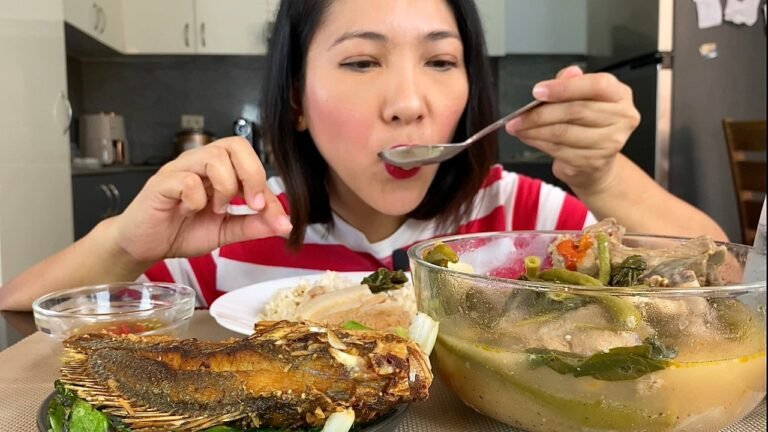
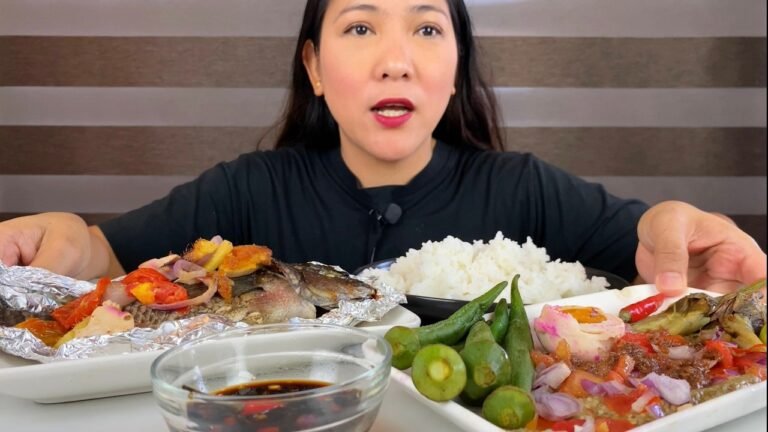
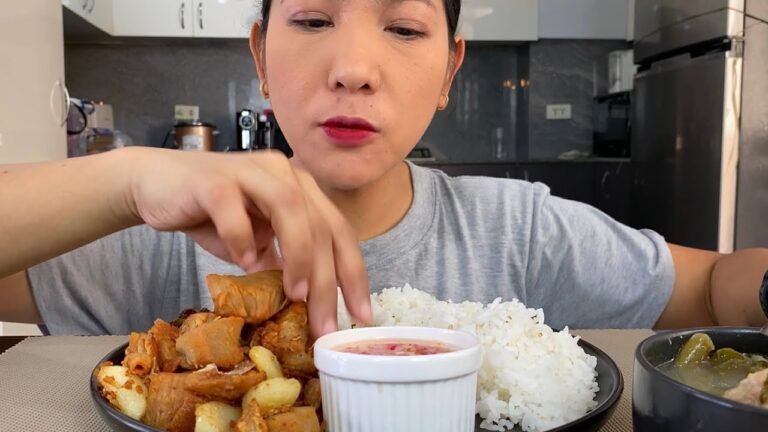
Laing is one of the most loved gulay dishes from Bicol: dried gabi (taro) leaves slowly simmered in gata until creamy, rich and spicy. In this BIOCO Food Trip YouTube channel video, laing shares the table with two crispy favorites, okoy and lumpiang shanghai. Together they make a complete Filipino spread with something creamy, something crunchy and something everyone at the table will reach for first.

This guide walks you through all three at home. Laing is the main event, while the okoy and lumpia are quick fried sides you can make while the laing simmers.
About the dish
Laing comes from the Bicol region, where coconut milk and siling labuyo show up in almost every kitchen. The classic version uses dried taro leaves, which soak up the gata and turn soft and silky as they cook. Bits of pork, a spoon of bagoong alamang, ginger and garlic give it savory depth, and chilies bring the heat Bicolano cooking is known for. The secret is patience: laing is simmered low and slow until the coconut milk reduces and the oil starts to separate, which gives the dish its deep flavor and glossy finish.
Okoy is a crispy fritter made with small shrimp and shredded vegetables in a light batter, usually dipped in spiced vinegar. Lumpiang shanghai are slim spring rolls filled with seasoned ground pork, a party staple that also works as everyday ulam. Pairing both with laing balances the creamy, rich gata with plenty of crunch.
If this plate makes you curious about where laing comes from, a Bicol tour is a great way to taste it close to the source, and you will find one in the cards below.

Laing with Okoy and Lumpiang Shanghai
Ingredients
Method
- Heat the oil in a wide pot over medium heat. Saute the onion, garlic and ginger for 2 minutes until fragrant.
- Add the pork and cook for 5 to 7 minutes until lightly browned and some fat renders. Stir in the bagoong alamang and cook for 1 minute.
- Pour in the coconut milk and bring to a gentle simmer.
- Lay the dried taro leaves on top of the coconut milk. Do not stir. Cover and simmer on low heat for 15 to 20 minutes until the leaves are soaked and soft.
- Stir gently, add the siling haba and siling labuyo, and keep simmering uncovered for 20 to 25 minutes, stirring occasionally, until the sauce is thick and the oil starts to separate.
- Stir in the coconut cream and cook for 10 more minutes. Taste and adjust with a little more bagoong if needed.
- In a bowl, whisk the flour, cornstarch, salt, egg and cold water into a smooth batter.
- Fold in the shrimp, squash or carrot, bean sprouts and onion.
- Heat about 1 cm of oil in a pan to 175°C. Drop in about 1/4 cup of the mixture and flatten it thinly.
- Fry for 3 to 4 minutes per side until golden and crisp. Drain on a rack or paper towels. Serve with spiced vinegar.
- Mix the ground pork, carrot, onion, garlic, egg, soy sauce, salt and pepper until well combined.
- Place about 1 tablespoon of filling along one edge of a wrapper, fold in the sides and roll tightly. Seal the edge with a little water.
- Heat oil to 170°C and fry the rolls in batches for 5 to 6 minutes, turning, until golden and the pork is cooked through. Drain and cut in half to serve.
Video
Tips
- Do not stir the leaves right away. Lay the dried taro leaves on top of the simmering gata and let them soften for about 15 to 20 minutes before stirring. Many Bicolano cooks swear this keeps the laing from getting makati (itchy on the throat).
- Cook it long enough. Taro leaves must be fully cooked. Simmer until the leaves are very soft and the sauce is thick, usually 40 to 50 minutes on low heat.
- Add coconut cream at the end. Use thinner coconut milk for the long simmer and stir in the kakang gata (cream) in the last 10 minutes for a richer finish.
- Control the heat. Slit the siling labuyo for more spice, or keep them whole for a gentler kick. Siling haba adds aroma without much heat.
- Keep the okoy thin. Spread each spoonful of batter flat in the pan so it fries crisp instead of doughy.
- Roll the lumpia tight. Squeeze out air as you roll and seal the edge with a little water or beaten egg so the rolls do not burst in the oil.
What to serve with it
Laing is made for steamed white rice, and lots of it. Since the okoy and lumpiang shanghai already add protein and crunch, you only need a fresh, sour side to cut through the richness: ensaladang kamatis with onion, sliced green mango, or a simple atchara works well. For dipping, serve the okoy with spiced vinegar (sinamak or vinegar with garlic, onion and chili) and the lumpia with sweet chili sauce. A pitcher of cold calamansi juice rounds out the meal.
Storing and reheating
Laing keeps well and many people say it tastes even better the next day. Cool it completely, then store it in an airtight container in the refrigerator for up to 3 days. Reheat gently in a pan over low heat with a splash of coconut milk or water, stirring so the gata does not scorch. You can also freeze laing in portions for up to 1 month.
Okoy and lumpiang shanghai are best fresh. Leftovers can be refrigerated for 2 to 3 days and reheated in an air fryer or oven at 180°C for 5 to 8 minutes to bring back the crunch; the microwave will make them soggy. Uncooked lumpia rolls freeze very well: freeze them on a tray, bag them, and fry straight from frozen for a few extra minutes.
Quick answers
- Can I use fresh taro leaves? Yes, but they should be wilted or sun-dried first and cooked thoroughly. Dried leaves sold in packs are easier and more forgiving for home cooks.
- Can I make laing without pork? Yes. Use dried fish (tuyo or daing flakes), shrimp, or just bagoong alamang for a meatless version.
- Why is my laing itchy? Usually the leaves were undercooked or stirred too early. Keep simmering until fully soft.
- Can I air fry the okoy and lumpia? Lumpia air fry well when brushed with oil (about 200°C for 10 to 12 minutes, turning once). Okoy batter is too wet for most air fryers and is better pan-fried.
- Is laing a vegetable dish or ulam? Both. It is a gulay dish that is filling enough to be the main ulam with rice.