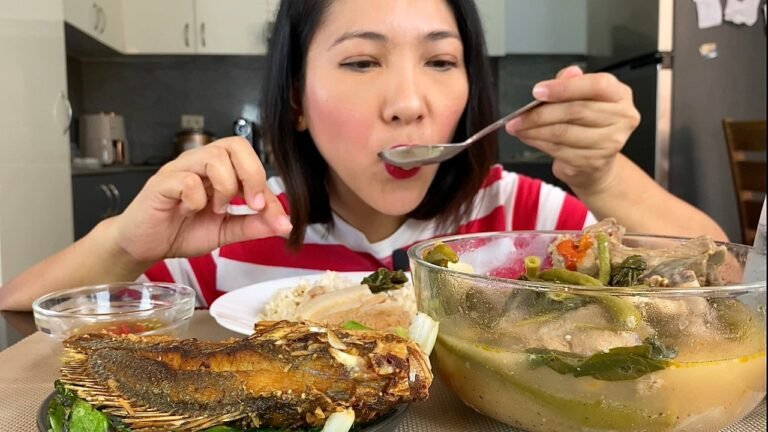
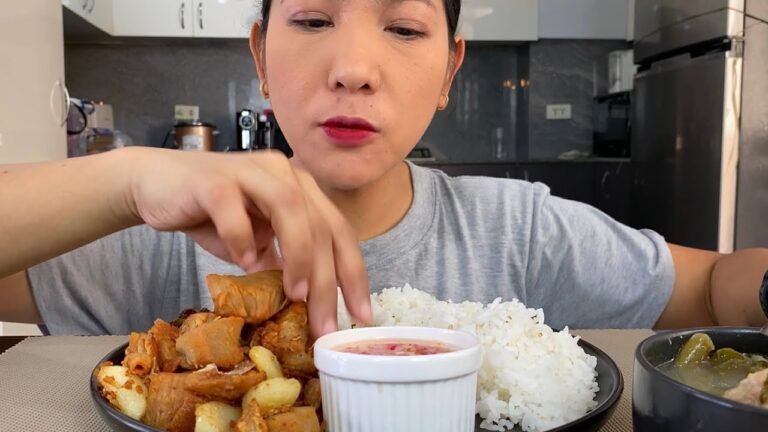
Few Filipino dishes feel as comforting as a big pot of pork nilaga. Tender pork, soft potatoes, sweet corn and leafy greens simmer together in a clear, lightly salty broth that is perfect on a rainy day or any ordinary weeknight. In this pairing, the soup is served with a plate of crispy pritong danggit, the salty dried fish that turns a simple bowl of nilaga into a full Filipino meal. Pork Nilaga at Pritong Danggit is featured on the BIOCO Food Trip YouTube channel, and below you will find a home-cooking guide to make both at home.

About the dish
“Nilaga” comes from the Tagalog word laga, which means to boil. It is one of the simplest ulam in Filipino home cooking: meat is slowly boiled with onion and peppercorns until tender, then vegetables like potatoes, corn on the cob, saba bananas, pechay and repolyo (cabbage) are added near the end. The broth is seasoned mainly with patis (fish sauce), so it stays clean-tasting and light compared with richer stews like menudo or kaldereta. Beef nilaga (nilagang baka) is also common, but pork nilaga is quicker to cook and easier on the budget, using cuts like pork belly, kasim (pork shoulder) or pork ribs.
Danggit is a small rabbitfish that is split open, salted and sun-dried, and it is closely associated with Cebu. Fried until golden and brittle, it is usually eaten at breakfast with garlic rice, but it also works beautifully next to a mild soup. The saltiness and crunch of the danggit balance the gentle, clean flavor of the nilaga, which is why the two show up together on many Filipino tables.

Pork Nilaga with Pritong Danggit
Ingredients
Method
- Put the pork and water in a large pot and bring to a boil over high heat. Skim off the grey foam that rises during the first 10 minutes.
- Add the onion and peppercorns. Lower the heat, cover partially and simmer gently for 60 to 75 minutes until the pork is fork-tender. Add hot water if the broth reduces too much.
- Add the corn and potatoes and simmer for 10 to 12 minutes. Add the saba bananas, if using, and cook for 5 minutes more.
- Season with fish sauce and salt to taste.
- Add the cabbage and cook for 3 minutes, then add the pechay and cook for 1 minute more. Serve hot with steamed rice.
- Brush off loose salt from the danggit and pat dry with paper towels.
- Heat the oil in a pan over medium heat. Fry the danggit for 1 to 2 minutes per side until golden and crisp. Drain on paper towels.
- Mix the vinegar, garlic and chili for dipping and serve with the danggit.
Video
Tips
- Skim the scum early. When the pork first comes to a boil, grey foam will rise to the top. Skim it off during the first 10 minutes for a clearer broth. Some cooks blanch the pork for 5 minutes and discard the first water for the same reason.
- Simmer, don’t boil hard. Keep the pot at a gentle simmer once the pork is in. A rolling boil makes the broth cloudy and the meat tough.
- Add vegetables in stages. Corn and potatoes go in first, then saba, then cabbage, and finally pechay in the last minute or two so the greens stay bright.
- Season at the end. Patis gets saltier as the broth reduces, so add most of it after the pork is tender and adjust to taste.
- Fry danggit in shallow oil over medium heat. Dried fish burns quickly. Fry it for about 1 to 2 minutes per side and pull it out as soon as it turns golden; it keeps crisping as it cools.
- Use a splatter guard or lid. Dried fish can pop in hot oil, so keep a lid nearby and dry the danggit well before frying.
What to serve with it
Pork nilaga is almost always eaten with steamed white rice, either with the broth spooned over the rice or sipped from a separate bowl. For a dipping sauce, mix patis with a squeeze of calamansi and a chopped siling labuyo. Pritong danggit tastes great with spiced vinegar (sinamak or vinegar with garlic, onion and chili). If you want something fresh on the side, a simple ensaladang kamatis (tomato, onion and a pinch of salt) cuts through the salty fish nicely.
Storing and reheating
- Nilaga: Cool the soup completely, then store it in a covered container in the refrigerator for up to 3 days. The fat will harden on top; you can lift it off for a lighter broth.
- Reheating: Bring the soup back to a simmer on the stove for 5 to 8 minutes until piping hot. Leafy greens get soft after reheating, so if you plan to have leftovers, add fresh pechay when you reheat.
- Freezing: The pork and broth freeze well for up to 2 months. Potatoes and cabbage turn mushy when frozen, so freeze only the meat and broth if possible.
- Danggit: Fried danggit is best eaten the same day. Store leftovers in an airtight container at room temperature for a day and re-crisp in a dry pan or an air fryer at 180°C for 2 to 3 minutes. Keep uncooked dried danggit sealed in the refrigerator.
Quick answers
- What is the best pork cut for nilaga? Pork belly gives a richer broth, while kasim (shoulder) or pork ribs are leaner but still tender after simmering. A mix of ribs and belly works well.
- How long does pork nilaga take to cook? About 1 to 1 1/2 hours of simmering on the stove, or about 25 to 30 minutes in a pressure cooker, before adding the vegetables.
- What is the difference between nilaga and sinigang? Nilaga has a clear, mild broth seasoned with patis, while sinigang is soured with tamarind or other sour fruits.
- Do I need to soak danggit before frying? No. Just brush off loose salt and pat it dry. If it is very salty, a quick rinse and thorough drying will help.
- Can I add saba to pork nilaga? Yes. Saba bananas add a mild sweetness; add them with the potatoes so they soften without falling apart.