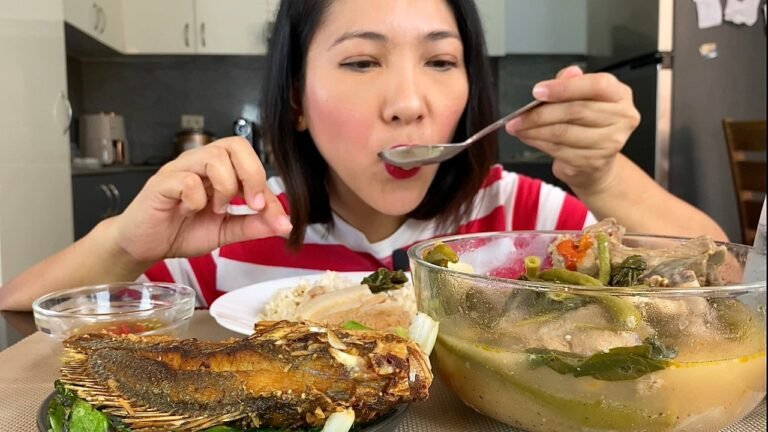
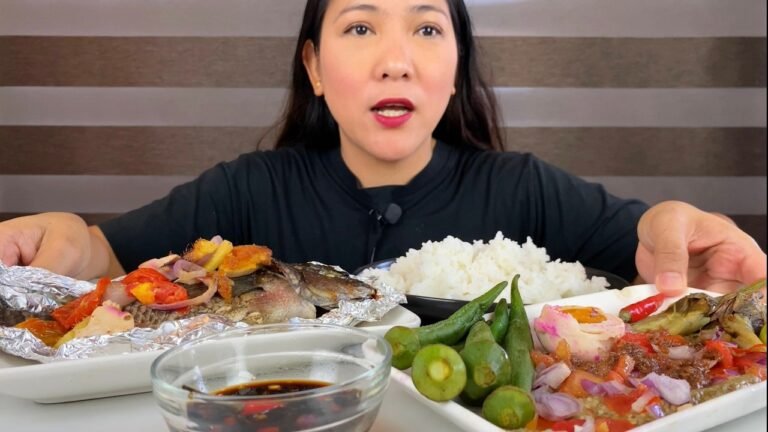
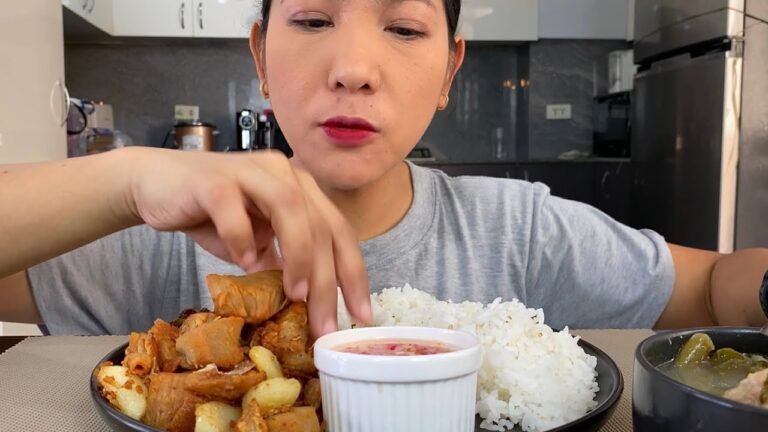
Lechon kawali is pork belly that is boiled until tender, dried, then deep-fried in a kawali until the skin puffs into a crackling, golden crust. Every bite gives you crunchy skin, a layer of melting fat and juicy meat. Crispy lechon kawali paired with a creamy ginataang gulay is featured on the BIOCO Food Trip YouTube channel, and the pairing makes sense: the rich, crunchy pork and the soft vegetables in coconut milk balance each other on one plate.

This guide covers both dishes as a home-cooking plan. The pork takes the longest, so you can cook the vegetables while the boiled belly dries.
About the dish
The name says it all. Lechon refers to roasted pork with crisp skin, and kawali is the wok-like pan used for frying. Lechon kawali gives you that lechon crunch at home without a whole pig or a charcoal pit. The usual method has three stages: simmer the slab of liempo with salt, garlic, bay leaves and peppercorns; dry it thoroughly, often overnight in the fridge; then deep-fry until the skin blisters.
Ginataang gulay is a simple everyday ulam of vegetables simmered in coconut milk, usually kalabasa (squash) and sitaw (string beans), sometimes with shrimp, dried fish or a bit of pork. It is mild, slightly sweet from the squash, and creamy enough to work as a sauce for rice. Next to lechon kawali, it also gives the meal some color and vegetables.
Lechon kawali is served with a dipping sauce. The two classic choices are sarsa (a sweet liver sauce) and sawsawan of vinegar, garlic, onion and chilies. A soy sauce and calamansi dip is also common.

Lechon Kawali with Ginataang Gulay
Ingredients
Method
- Place the pork belly in a pot with garlic, bay leaves, peppercorns and 1 tbsp salt. Add water to cover and bring to a boil, then simmer for 40 to 45 minutes until fork-tender.
- Remove the pork, pat it completely dry and rub the skin with 1 tsp salt. Chill it uncovered in the fridge for at least 4 hours or overnight.
- Heat the oil in a deep kawali to about 175 to 180 C. Carefully lower in the pork skin side down and keep a lid nearby for splatter.
- Fry for 12 to 15 minutes, turning once or twice, until the skin is puffed and golden. Drain on a rack, rest for 5 minutes, then chop into pieces.
- Heat the oil in a pan and saute the garlic and onion for 2 minutes. Stir in the bagoong and cook for 1 minute.
- Add the coconut milk and kalabasa. Simmer over medium-low heat for 8 to 10 minutes until the squash is almost tender.
- Add the sitaw and cook for 4 to 5 minutes more until just tender. Season with salt and pepper and serve with the lechon kawali.
Video
Tips
- Choose an even slab. Look for liempo with skin on and a good balance of fat and meat, about 4 to 5 cm thick, so it cooks evenly.
- Dry the skin well. Moisture is the enemy of crackling and also causes dangerous oil splatter. Pat the boiled pork dry, then leave it uncovered in the fridge for at least 4 hours or overnight.
- Fry in a deep, heavy pan. A deep kawali or heavy pot holds the oil temperature better. Fill it no more than halfway and keep a lid nearby to use as a splatter shield.
- Watch the oil temperature. Aim for about 175 to 180 C. Oil that is too cool makes greasy pork; oil that is too hot burns the skin before it puffs.
- Try the air fryer. For less oil and mess, air-fry the dried, boiled pork at 200 C for 25 to 30 minutes, flipping halfway, then 5 more minutes skin side up.
- Rest before slicing. Let the pork rest for 5 minutes on a rack, then chop with a heavy, sharp knife so the skin stays intact.
- Do not overcook the vegetables. Add the sitaw after the squash is half-cooked so the beans stay green and slightly crisp.
What to serve with it
Steamed rice is essential, and the ginataang gulay works as both side dish and sauce. Set out a small bowl of spiced vinegar with garlic, onion and siling labuyo, or a dish of sarsa for dipping. Atchara (pickled green papaya) adds a sweet-sour crunch that cuts through the fat. If you are cooking for a crowd, add a pot of sinigang or a simple tomato and salted egg salad to round out the table.
Storing and reheating
Lechon kawali is best eaten fresh, but leftovers keep in the fridge for up to 3 days in a covered container. Do not microwave it, as the skin turns chewy. Reheat in an air fryer at 180 C for 5 to 8 minutes, or in an oven at 200 C for about 10 minutes, until the skin crisps again. Leftover pork also works well chopped into lechon paksiw or added to pancit. Ginataang gulay keeps for 2 days in the fridge; reheat gently on the stove with a splash of water and do not let it boil hard or the coconut milk may separate.
Quick answers
- Why does lechon kawali splatter so much? Water in the pork reacts with hot oil. Drying the meat well and lowering it into the oil slowly reduces splatter.
- Can I skip boiling the pork? Boiling first makes the meat tender and seasons it through. Skipping it usually gives tough meat and less puffy skin.
- How do I get bubbly, chicharon-like skin? Dry the skin well, rub it with a little salt, and fry until the surface blisters. Some cooks prick the skin lightly with a fork before frying.
- What vegetables can go into ginataang gulay? Kalabasa and sitaw are classic, but talong, okra and malunggay leaves also work.
- Can I make ginataang gulay with shrimp? Yes. Add peeled shrimp in the last 3 to 4 minutes so they stay tender.