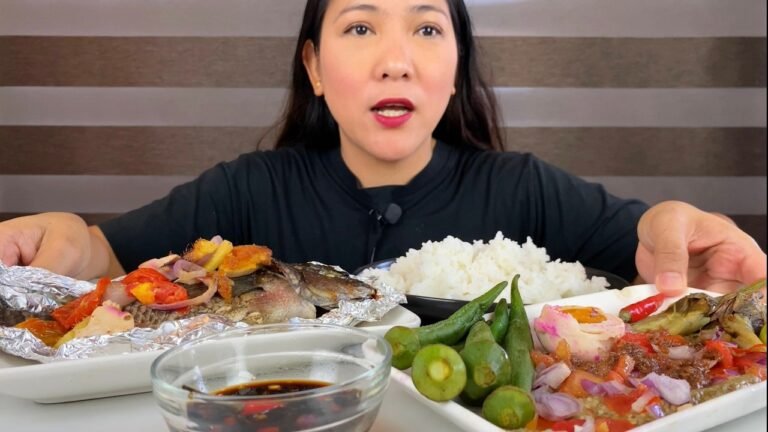
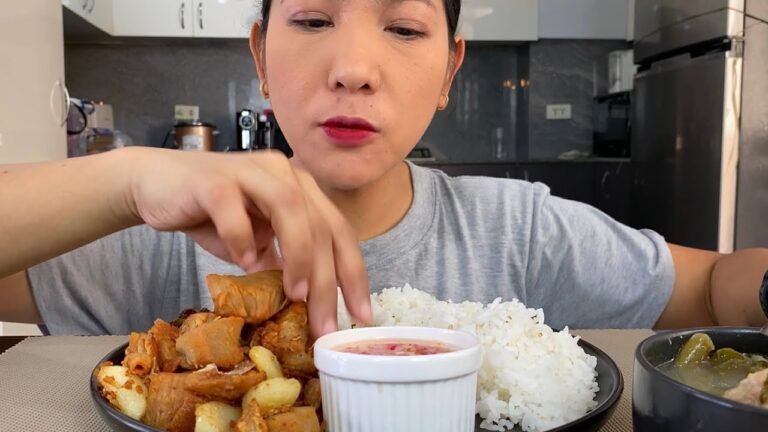
Bicol Express is one of the boldest ulam in Filipino home cooking: tender pork simmered in coconut milk with plenty of chilies and a spoonful of bagoong alamang. It is creamy, salty and spicy all at once, and it disappears fast when there is a pot of hot rice nearby. A rich, nagmamantikang version of this dish is featured on the BIOCO Food Trip YouTube channel, where it is cooked and then eaten in one sitting.

Below is a reliable home-cooking guide to Bicol Express, with tips for getting the sauce thick and glossy, how to control the heat, and what to serve on the side.
About the dish
The name is often said to come from the train line that ran from Manila to the Bicol region, but the flavors are pure Bicolano. The region is known for cooking with gata (coconut milk) and chilies, and this dish shows off both. The usual base is pork belly or kasim (pork shoulder) cut into strips, sauteed with garlic, onion and ginger, then simmered in coconut milk with shrimp paste until the sauce reduces and the coconut oil starts to separate. That rendered oil is what gives the dish its glossy, nagmamantika look and deep flavor.
Many cooks use two kinds of chilies: long green siling haba for flavor and bulk, and small siling labuyo for real heat. You control the spice level by how many labuyo you add and whether you keep the seeds. Some versions also add a little sugar to round out the saltiness of the bagoong.
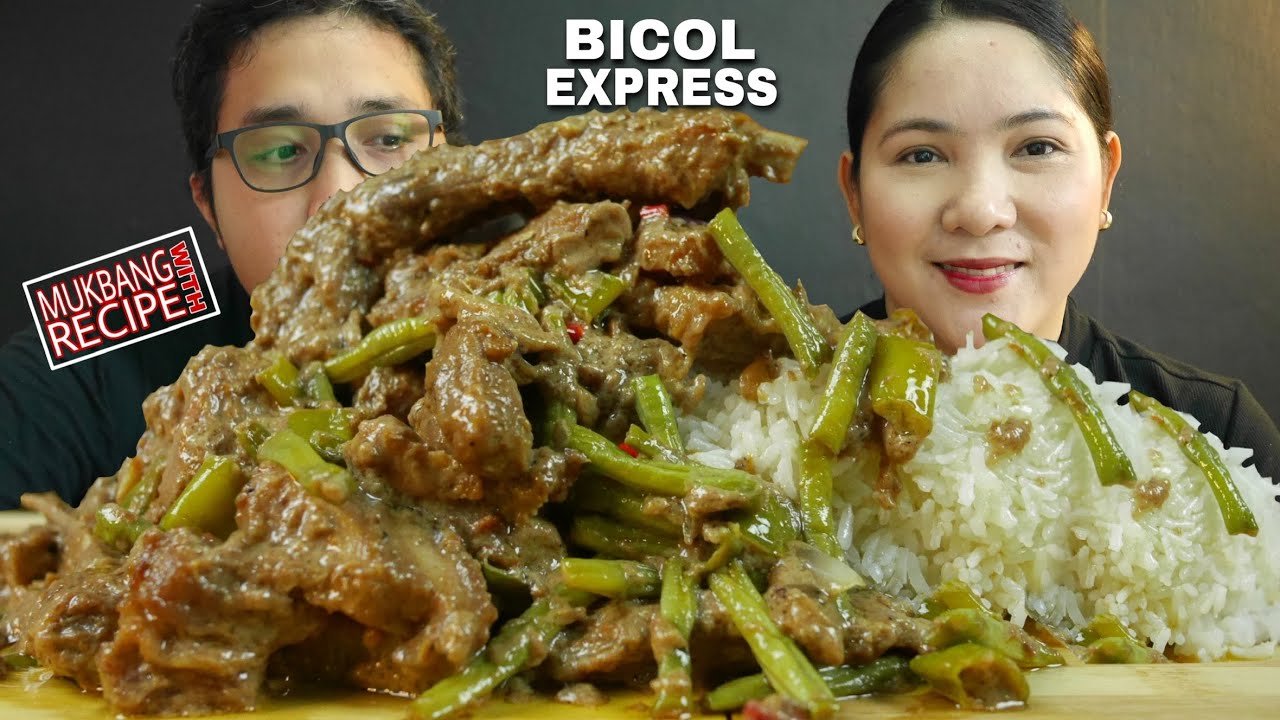
Bicol Express
Ingredients
Method
- Heat the oil in a wide pan or kawali over medium heat. Add the pork and cook for 10 to 12 minutes, stirring now and then, until the fat renders and the pork is lightly browned.
- Push the pork to one side and saute the garlic, onion and ginger in the rendered fat for 2 to 3 minutes until fragrant.
- Stir in the bagoong alamang and cook for 1 minute so it coats the pork.
- Pour in the coconut milk and bring to a gentle boil. Lower the heat, partially cover, and simmer for 25 to 30 minutes until the pork is tender.
- Add the coconut cream, siling haba and siling labuyo. Simmer uncovered for 8 to 10 minutes, stirring often, until the sauce thickens and the oil starts to separate.
- Season with black pepper, then taste and adjust with salt or fish sauce. Serve hot with steamed rice.
Video
Tips
- Use pork with some fat. Pork belly gives the richest sauce. For a leaner pot, mix kasim and liempo, or trim some of the fat from the belly.
- Render the pork first. Let the pork cook in its own fat until lightly browned before adding the aromatics. This builds flavor and removes the raw pork smell.
- Add the coconut cream at the end. Simmer the pork in the thinner coconut milk first, then stir in the thick kakang gata for the last 10 minutes so the sauce stays silky.
- Go easy on the bagoong. Shrimp paste varies a lot in saltiness from brand to brand. Start with 2 tablespoons, taste after the sauce reduces, and adjust.
- Wear gloves for the chilies. Slicing a lot of siling labuyo can burn your hands and eyes. A sharp knife makes quick work of it, and wash the board right after.
- Stir often near the end. As the sauce thickens, coconut milk can catch and scorch on the bottom of the pan. Lower the heat and stir every minute or two.
- Let it rest. Like most ginataan dishes, Bicol Express tastes even better after 15 to 30 minutes off the heat as the flavors settle.
What to serve with it
Plain steamed rice is a must, since the sauce is rich and spicy. A cooling side helps balance the heat: ensaladang talong, sliced tomatoes with onions and a little bagoong, or a simple cucumber salad with vinegar. A mild vegetable dish such as ginisang sayote or blanched pechay also works well on the same table. For drinks, cold water, iced tea or buko juice are good partners for the spice.
Storing and reheating
Let leftovers cool, then store them in a covered container in the fridge for up to 3 days. Coconut-based dishes spoil faster than adobo, so do not leave Bicol Express at room temperature for more than 2 hours. Reheat in a pan over low heat with a splash of water, stirring until hot all the way through. You can also freeze it for up to 1 month. The sauce may look a little grainy after thawing, but a gentle simmer and a good stir bring it back together.
Quick answers
- Is Bicol Express very spicy? It is meant to be spicy, but you decide the heat. Use mostly siling haba and only a few labuyo for a milder pot.
- Can I make it without bagoong? Yes. Season with fish sauce and salt instead, though the flavor will be less deep.
- What is the difference between Bicol Express and ginataang baboy? Both use pork and coconut milk, but Bicol Express is defined by a large amount of chilies and shrimp paste.
- Can I use canned coconut milk? Yes. Two 400 ml cans work well. Use one can for simmering and the thicker cream from the second can for the end.
- Why is my sauce oily? That is the coconut oil separating as the sauce reduces, which is expected in the nagmamantika style. Spoon some off if you prefer it lighter.