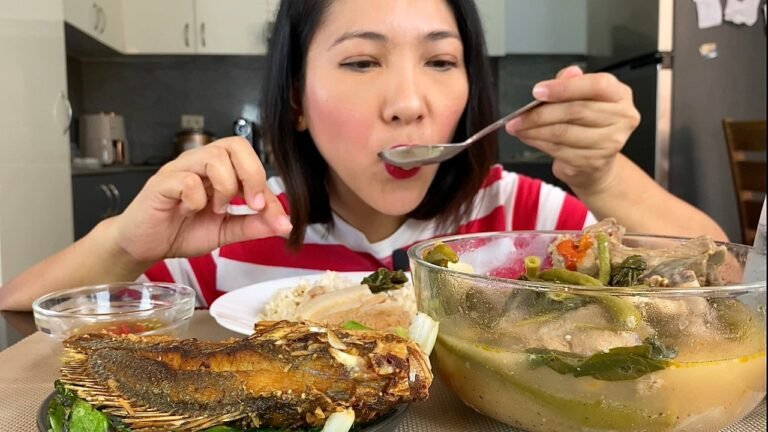
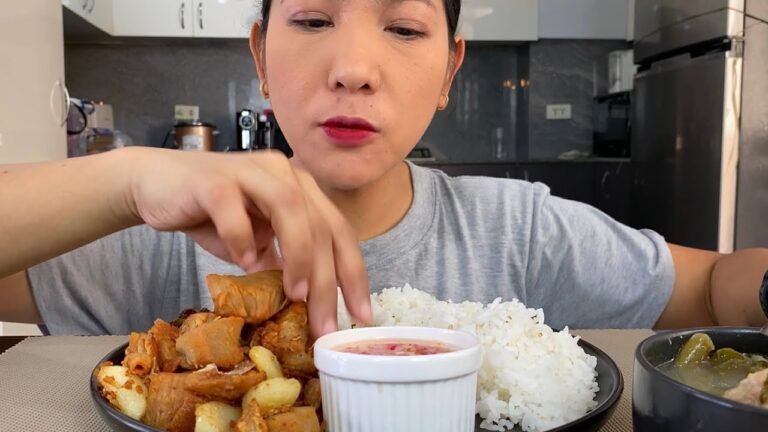
Ginataang Langka is a creamy Filipino vegetable dish of young, unripe jackfruit simmered in coconut milk with garlic, onion, shrimp and chilies. The jackfruit turns soft and almost meaty, soaking up the rich, savory sauce. Ginataang Langka with fried chicken is featured on the BIOCO Food Trip YouTube channel, and the pairing is a classic everyday meal: a saucy gulay next to something crispy, with plenty of rice.

This guide walks you through preparing young langka, cooking it in gata until tender, and the tips that keep the sauce creamy instead of oily or curdled.
About the dish
Langka (jackfruit) is best known in the Philippines as a sweet, ripe fruit used in halo-halo, turon and desserts. Before it ripens, though, young jackfruit is firm, pale and mild, and it is cooked as a vegetable. In many provinces, especially in the Bicol region and Visayas, ginataang langka is a home-cooked staple because jackfruit trees are common in backyards.
The dish follows the familiar ginataan formula: saute garlic, onion and ginger, add a flavor base such as shrimp, pork, tinapa or dried fish, then simmer the main ingredient in coconut milk until tender. Many cooks add bagoong alamang or fish sauce for saltiness and siling haba for gentle heat. Some versions add malunggay leaves, sitaw or squash for extra color and nutrition.
Young jackfruit is also popular around the world as a plant-based meat substitute, because its shredded texture resembles pulled meat. In Filipino cooking, it is simply loved as a cheap, filling gulay that pairs well with fried fish or fried chicken.
If you are cooking ginataang langka for the first time, canned young jackfruit is the easiest starting point. It is already peeled and cut, so the whole dish comes together in about 40 minutes with very little prep.

Ginataang Langka
Ingredients
Method
- If using fresh jackfruit, boil it in salted water for 15 to 20 minutes until fork-tender, then drain. If using canned, drain, rinse and squeeze dry.
- Heat the oil in a kaldero over medium heat. Saute the garlic, onion and ginger for 2 to 3 minutes until fragrant.
- Stir in the bagoong and cook for 1 minute. Add the jackfruit and toss to coat.
- Pour in the coconut milk and bring to a gentle simmer. Cook over low heat for 15 to 20 minutes, stirring often, until the jackfruit is very soft.
- Add the coconut cream, siling haba and shrimp. Simmer for 3 to 4 minutes until the shrimp turns pink and the sauce thickens.
- Stir in the malunggay leaves, season with salt and pepper, and serve hot with rice and fried chicken.
Video
Tips
- Use young, green jackfruit. Ripe yellow jackfruit is sweet and will not work here. Look for pre-cut young langka at the wet market, or use canned young jackfruit in brine.
- Oil your hands and knife. Fresh jackfruit releases a very sticky sap. Rub your knife and hands with cooking oil, or wear gloves, before cutting.
- Boil fresh jackfruit first. Simmer cut langka in salted water for 15 to 20 minutes until fork-tender, then drain. This removes sap and some bitterness.
- Rinse canned jackfruit. Drain and rinse canned langka to remove the brine, then squeeze out excess water.
- Simmer gently. Keep the coconut milk at a low simmer and stir often. A hard boil can make the sauce separate or curdle.
- Add shrimp near the end. Shrimp cooks in 2 to 3 minutes, so add it once the jackfruit is tender to keep it juicy.
- Finish with greens. Stir in a handful of malunggay or spinach in the last minute for color and extra nutrients.
What to serve with it
Ginataang langka is a natural partner for fried chicken, as the creamy sauce balances the crispy, salty chicken skin. It also goes well with pritong isda such as tilapia, galunggong or danggit, and with grilled pork liempo. Serve it with steamed white rice so you can spoon the sauce over every bite. A side of spiced vinegar or a fresh tomato salad adds a sour contrast to the rich coconut milk.
Storing and reheating
Let leftovers cool and refrigerate in a covered container for up to 2 days. Coconut milk dishes spoil faster than other ulam, so do not leave them out for more than 2 hours. Reheat gently in a pan over low heat with a splash of water, stirring until heated through. Avoid boiling hard when reheating. Freezing is not ideal because the coconut sauce can turn grainy and the jackfruit soft, but it will keep for up to 1 month if needed.
Quick answers
- What does young jackfruit taste like? It is very mild and slightly starchy, similar to artichoke hearts, and it takes on the flavor of the sauce.
- Can I use canned jackfruit? Yes. Use young jackfruit in brine or water, not in syrup.
- Can I make it vegetarian? Yes. Skip the shrimp and bagoong and season with salt or a vegetarian fish sauce substitute.
- What else can I add? Pork, tinapa flakes, dried fish, squash, sitaw or malunggay leaves all work well.
- Why is my sauce oily? The coconut milk was cooked too hot or too long. Simmer gently and add the thick cream near the end.